

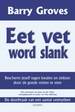
Front cover of Culture 6 October 2002
When doctors won't tell . . . Of all the online nutritional information, nutritional facts, medical and dietary sites there are to choose from, in an article entitled "How to ease the pain" The Sunday Times magazine, Culture, published a list of just five websites it considered reliable and informative.
This site was one of that five.

Custom Search


Bookmark and Share
Second Opinions: Exposing dietary misinformation

Barry Groves, PhD

Exposing dietary misinformation
Barry Groves

Diabetic Neuropathy is Preventable with Low-Carb Diet


Tesfaye S, Chaturvedi N, Eaton SE, Ward JD, Manes C, Ionescu-Tirgoviste C, Witte DR, Fuller JH; EURODIAB Prospective Complications Study Group. Vascular risk factors and diabetic neuropathy. N Engl J Med. 2005 Jan; 352: 341-50.

Diabetes Research Unit, Royal Hallamshire Hospital, Sheffield, United Kingdom. solomon.tesfaye@sth.nhs.uk.

BACKGROUND: Other than glycemic control, there are no treatments for diabetic neuropathy. Thus, identifying potentially modifiable risk factors for neuropathy is crucial. We studied risk factors for the development of distal symmetric neuropathy in 1172 patients with type 1 diabetes mellitus from 31 centers participating in the European Diabetes (EURODIAB) Prospective Complications Study.

METHODS: Neuropathy was assessed at baseline (1989 to 1991) and at follow-up (1997 to 1999), with a mean (+/-SD) follow-up of 7.3+/-0.6 years. A standardized protocol included clinical evaluation, quantitative sensory testing, and autonomic-function tests. Serum lipids and lipoproteins, glycosylated hemoglobin, and the urinary albumin excretion rate were measured in a central laboratory.

RESULTS: At follow-up, neuropathy had developed in 276 of 1172 patients without neuropathy at baseline (23.5 percent). The cumulative incidence of neuropathy was related to the glycosylated hemoglobin value and the duration of diabetes. After adjustment for these factors, we found that higher levels of total and low-density lipoprotein cholesterol and triglycerides, a higher body-mass index, higher von Willebrand factor levels and urinary albumin excretion rate, hypertension, and smoking were all significantly associated with the cumulative incidence of neuropathy. After adjustment for other risk factors and diabetic complications, we found that duration of diabetes, current glycosylated hemoglobin value, change in glycosylated hemoglobin value during the follow-up period, body-mass index, and smoking remained independently associated with the incidence of neuropathy. Cardiovascular disease at baseline was associated with double the risk of neuropathy, independent of cardiovascular risk factors.

CONCLUSIONS: This prospective study indicates that, apart from glycemic control, the incidence of neuropathy is associated with potentially modifiable cardiovascular risk factors, including a raised triglyceride level, body-mass index, smoking, and hypertension.


COMMENT: With the exception of smoking, all the adverse risk factors mentioned — glycosylated hemoglobin, raised triglycerides, overweight and obesity, and hypertension (high blood pressure) — as well as the diabetes itself, can be avoided if foods such as bread, cereals, sugars, fruit are reduced sufficiently as carbohydrates are the main dietary causes of all of these conditions.


Custom Search

books and video
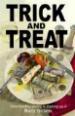
Trick and Treat cover
"A great book that shatters so many of the nutritional fantasies and fads of the last twenty years. Read it and prolong your life."
Clarissa Dickson Wright

Natural Health & Weight Loss cover

"NH&WL may be the best non-technical book on diet ever written"
Joel Kauffman, PhD, Professor Emeritus, University of the Sciences, Philadelphia, PA


- a completely new kind of video and DVD.
Fluoride:Drinking Ourselves to Death?
"Must be regarded as essential reading . . . informative and thought-provoking." Dr Vyvyan Howard, MB. ChB. PhD. FRCPath. University of Liverpool.
med411.com Award ** PLEASE DESCRIBE THIS IMAGE **
Disclaimer: Second Opinions is the website of Barry Groves PhD, offering online nutritional facts and online nutritional information. This website should be used to support rather than replace medical advice advocated by physicians.

Valid XHTML 1.0 Transitional