
 HOME
HOME




The importance of grass - and animals - to feed the world
Grass is the world's most ubiquitous plant. Grass is an incredible survivor and is virtually indestructible. Because the roots will regenerate the plant when the tops are eaten, burnt, baked or drowned, grass will survive drought, flood, fire and aggressive cropping.
Importantly, grasses will survive and flourish in areas where there is insufficient rainfall to support trees; areas where cultivation of food crops is impossible. And there are many such areas:
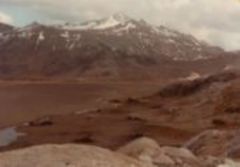
Grasslands cover one fourth of the world's land area. This includes nearly fifty percent of the land surface of the continent of Africa; and the grassy central Asian steppes stretch one third of the way around the world — not to mention the Arctic tundra, Tibetan plateau, African savannah, South African veldt, North American prairies and South American pampas, and more.
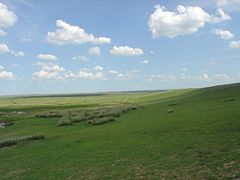
We humans can't eat grass and we cannot use these areas to grow anything else in its place without expensive and, probably, unsustainable irrigation and / or drainage schemes as well as artificial fertilisers. Yet these vast plains of grass feed more animals than any other plant: enormous herds of Mongolian gazelles, Tibetan Yaks, American bison, African and Asian buffaloes, elephants, rabbits, hares, Arctic geese, and many, many more – including cattle, sheep, goats, rabbits and a wide variety of birds.
And we can – and do – eat their meat, milk, eggs, cheese and yogurt. As such, although we can't use it directly, grass is probably one of our most valuable resources. And critically, it is entirely natural and self-sustaining, without any input from us, as long as we let it do what it does best.
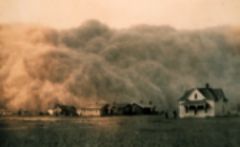
And there is yet more: The root systems of perennial grasses form complex mats that hold the soil in place, preventing it from being blown away in great dust storms.
A wide range of micro-organisms, mites, insect larvae, nematodes and earthworms keep the soil in good and fertile condition. These invertebrates, along with symbiotic fungi, extend the root systems, break apart hard soil, enrich it with urea and other natural fertilizers, trap minerals and water and promote growth.
But if we all became vegans, eating no food from animal sources, these vast areas would effectively be wastelands as far as food production for us is concerned. And with so little of the Earth's surface available for cultivation and the production of plant food for our every-growing population, not to make use of this enormous resource would surely be the height of stupidity.
Related Articles
