
 HOME
HOME




Why do they need to lie?
Part 3: The ice is melting - (2)
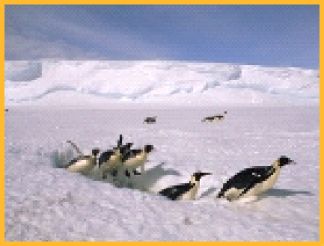
It’s the same story at the other end of the world.
In a press release in December 2007, timed to have maximum impact by coinciding with the tenth anniversary of the Kyoto agreement and a climate change summit conference on the Indonesian island of Bali attended by world leaders, officials and environmentalists, the Worldwide Fund for Nature (WWF) warned that the number of penguins in the Antarctic was declining rapidly because of global warming.1
Launching its report at the summit, the WWF said the Antarctic peninsula was warming five times faster than the average in the rest of the world and was affecting four penguin species: the emperor penguin – the world’s largest penguin; and the gentoo, chinstrap and adelie ‘are struggling to survive as melting ice destroys nesting sites and reduces their food sources’, WWF said.
WWF’s Anna Reynolds said that sea ice covered 40 per cent less area than it did 26 years ago off the West Antarctic Peninsula, and that ‘The Antarctic penguins already have a long march behind them. Now it seems these icons of the Antarctic will have to face an extremely tough battle to adapt to the unprecedented rate of climate change.’
This, WWF said, had led to a fall in stocks of krill, the main source of food for the chinstrap and gentoo species. They went on to warn that ‘Warming is fastest in the northwestern coast of the Antarctic peninsula’.
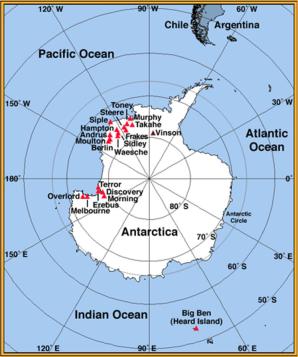
Again this was emotive stuff which masked the truth of the matter. What apparently went unnoticed was their claim that the ‘Antarctic peninsula was warming five times faster than the average in the rest of the world’. This raises the question: If the rising temperatures and melting ice in the Antarctic are caused by global warming, why should a small area of the Antarctic warm five times faster than anywhere else?
The answer is, again, surprisingly simple: The Antarctic Peninsula is volcanic, part of the Pacific ‘ring of fire’. The melting ice at one part of the Antarctic is entirely natural; it has nothing whatsoever to do with ‘global warming’, man-made or otherwise. Apart from that one peninsular, the Antarctic ice sheet is actually getting thicker.
References
1. WWF. Antarctic Penguins and Climate Change. Press release of Report to Bali summit, 11 December 2007.
Last updated 20 February
2009
Related Articles
